





Written by:

Medically Reviewed by:
Last Updated:
April 14th, 2026
What is Mirtazapine?
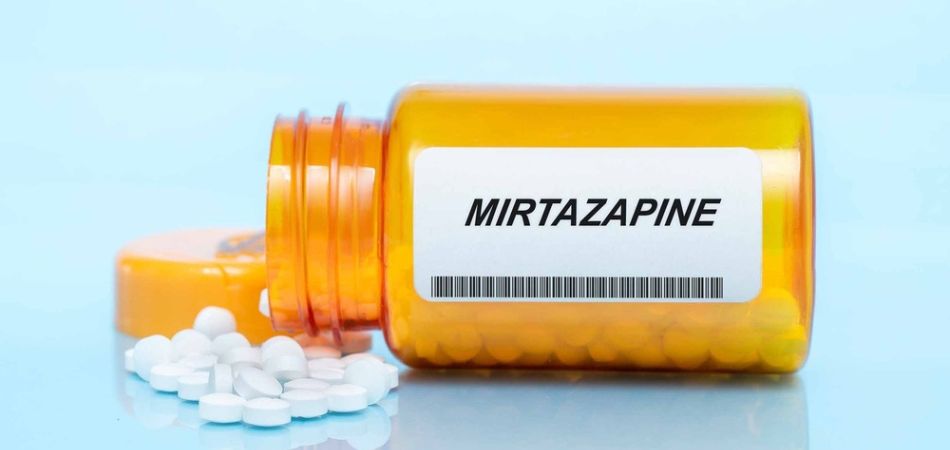
Mirtazapine is an antidepressant medication commonly prescribed to treat depression. It belongs to a group of medications known as noradrenergic and specific serotonergic antidepressants (NaSSAs), which work differently from more widely known antidepressants like SSRIs.
Doctors may prescribe Mirtazapine for depression, but it is also sometimes used to help with anxiety and sleep difficulties. One reason for this is that the medication has a calming effect on the nervous system, which can make it easier for people to rest and regain regular sleep patterns.
Mirtazapine works by influencing certain chemical messengers in the brain, particularly serotonin and noradrenaline. By adjusting how these chemicals interact with brain receptors, the medication can help restore a healthier balance.
Like all medications, Mirtazapine can produce side effects while the body adjusts. Some of the more commonly reported effects include:
- Sleepiness
- Increased appetite and possible weight gain
- Dizziness
- Dry mouth
These symptoms usually settle over time as the body adapts to the medication. However, the sedating effect of Mirtazapine is important to understand, particularly when considering substances that also affect alertness, such as alcohol.
Can you drink alcohol while taking Mirtazapine?
Most medical guidance recommends avoiding alcohol while taking antidepressants, including Mirtazapine. The reason for this comes down to how both substances affect the central nervous system.
Alcohol is a depressant, which means it slows down brain activity and can make you feel relaxed or sleepy. Mirtazapine also has sedating properties, particularly in the early stages of treatment or at certain doses.
When the two are taken together, their effects can compound one another. This means the sedation may become stronger than expected, increasing the likelihood of unwanted side effects such as dizziness or confusion.
Even if a person does not immediately notice stronger side effects, alcohol may reduce the overall effectiveness of the medication and make symptoms of depression or anxiety harder to manage.
For these reasons, healthcare professionals usually advise avoiding alcohol entirely while taking Mirtazapine.
Why the combination of Mirtazapine and alcohol is dangerous
Mixing alcohol with Mirtazapine places additional strain on the central nervous system due to how both substances slow brain activity. This then makes their combined effects unpredictable and can lead to issues like:
- Extreme drowsiness
- Dizziness
- Light-headedness
- Confusion
- Impaired judgement
- Difficulty concentrating
- Poor coordination
When these symptoms occur together, they increase the risk of accidents and injuries.
Another issue is the impact alcohol can have on mental health itself. While drinking may feel relaxing in the moment, alcohol can disrupt sleep patterns and alter brain chemistry in ways that worsen symptoms of depression or anxiety later on. For someone already taking medication to stabilise mood, this can undermine the progress the medication is trying to support.
Why do people mix Mirtazapine and alcohol?
With all the warnings around mixing alcohol and antidepressants, it might seem surprising that the combination still happens. In reality, there are several reasons why people may end up drinking while taking Mirtazapine.
For some people, alcohol becomes a form of emotional relief and when someone is already struggling with their mental health, a drink may seem like an efficient way to temporarily numb difficult emotions. Unfortunately, this short-term relief can sometimes make symptoms worse later.
Some people may also underestimate how long Mirtazapine remains active in the body, assuming that drinking later in the evening will not interact with medication taken earlier in the day.
Misunderstanding medical advice can contribute as well, as the mechanism by which antidepressants work can be quite complicated. If the risks are not clearly explained during prescribing, people may assume that occasional drinking is unlikely to cause a problem.
What to do if you’ve mixed Mirtazapine and alcohol
If you realise you have consumed alcohol while taking Mirtazapine, the most important step is to stay calm and focus on safety.
In many cases, the effects may simply involve feeling more tired or light-headed than usual, but regardless, taking a few practical precautions can help reduce the risk of harm.
- Stop drinking alcohol immediately
- Drink water to stay hydrated
- Sit or lie down somewhere safe if you feel dizzy
- Avoid driving or operating machinery
- Ask someone you trust to stay nearby if possible
If you experience severe symptoms such as trouble breathing, extreme confusion, rapid heartbeat or unusual levels of sedation, it is important to seek medical advice straight away.
In the UK, contacting NHS 111 can provide guidance on what to do next, and emergency services should be contacted if symptoms become severe.
I keep mixing Mirtazapine and alcohol despite knowing the consequences
For some people, mixing alcohol with medication happens occasionally and unintentionally. But if the situation repeats itself, it may be worth reflecting on the role alcohol is playing in daily life.
Finding it difficult to avoid drinking, even when you know it may interfere with medication or mental health, can sometimes signal a deeper issue. Alcohol dependence does not always develop suddenly; rather, it builds gradually as casual drinking turns into something that is harder to control.
If you’re unsure whether alcohol has become a problem, asking yourself a few honest questions can help bring clarity.
- Have you tried to cut down on alcohol but struggled to do so?
- Do you continue drinking even when you know it may worsen your mental health or interfere with medication?
- Have friends or family expressed concern about your drinking?
- Do you experience withdrawal symptoms such as shaking or sweating when you stop drinking?
- Has alcohol started affecting your daily responsibilities?
While these questions aren’t official diagnostic questions, if you’ve answered ‘yes’ to one or more of these, it could indicate that a conversation about your relationship with alcohol is needed.
Understanding the links between alcohol and mental health conditions
In many situations, alcohol can become a way of coping with difficult mental health symptoms. Psychologists describe this pattern through the self-medication theory, which explains how some people turn to substances to temporarily dull the uncomfortable feelings linked to conditions such as depression.
For a short while, alcohol can seem to take the edge off those feelings but the problem is that this relief does not last. Once the alcohol leaves the body, the original symptoms usually return, known as rebound symptoms. This can gradually lead to a pattern where drinking becomes a way of managing emotional discomfort rather than an occasional habit.
If you’ve already been prescribed antidepressants like Mirtazapine, there’s a chance that you may already have been using alcohol to self-medicate before the prescription was made. There’s also a chance that your relationship with alcohol started after being prescribed mirtazapine as a way to deal with the side effects of the medication.
Either way, alcohol and antidepressants never work in tandem with each other and combining them causes long-term issues and leaves the door wide open for alcohol addiction or a prescription drug addiction to form.
If you feel confused about what your next step should be, speaking with a mental health or addiction specialist can help bring clarity.
What are the next steps?
At Linwood House, we understand that alcohol use and depression can influence each other. Our treatment programmes consider both aspects at the same time so that recovery from one issue does not interfere with the other.
Contact Linwood House for a free, confidential conversation to help guide you toward the next step.
(Click here to see works cited)
- Jilani, T. N., Gibbons, J. R., Faizy, R. M., & Saadabadi, A. (2024). Mirtazapine. PubMed; StatPearls Publishing. https://www.ncbi.nlm.nih.gov/books/NBK519059/
- NHS. (2022, February 16). Side effects of mirtazapine. Nhs.uk. https://www.nhs.uk/medicines/mirtazapine/side-effects-of-mirtazapine/
- Sutherby, R. (2025, July 16). The Potential Effects of Mixing Mirtazapine and Alcohol. GoodRx. https://www.goodrx.com/mirtazapine/mirtazapine-and-alcohol?srsltid=AfmBOoreLuQsKbmP0hV89QJQfTlWTupWJYl9VjDHyeiN4mgpFeGnMxpx
- Yechiel, E. (2016). Synergistic Effect – an overview | ScienceDirect Topics. Sciencedirect.com. https://www.sciencedirect.com/topics/engineering/synergistic-effect
- Hall-Flavin, D. (2017). Antidepressants and alcohol: What’s the concern? Mayo Clinic. https://www.mayoclinic.org/diseases-conditions/depression/expert-answers/antidepressants-and-alcohol/faq-20058231
- Mariani, J. J., Khantzian, E. J., & Levin, F. R. (2013). The self-medication hypothesis and psychostimulant treatment of cocaine dependence: An update. The American Journal on Addictions, 23(2), 189–193. https://doi.org/10.1111/j.1521-0391.2013.12086.x
- Henssler, J., Heinz, A., Brandt, L., & Bschor, T. (2019). Antidepressant withdrawal and rebound phenomena. Deutsches Aerzteblatt Online, 116(20). https://doi.org/10.3238/arztebl.2019.0355