





Written by:

Medically Reviewed by:
Last Updated:
April 14th, 2026
Going through recovery can feel like being caught in a storm, with no guiding light, no compass and no idea when it ends. Understanding the alcohol timeline and what to expect in recovery can become your anchor in such unrelenting times.
If you’re turning your back on alcohol for good, use our timeline for structure and comfort as you recover. Remember, you have what it takes to remain steadfast and head towards the healthy, sober future you wish for.
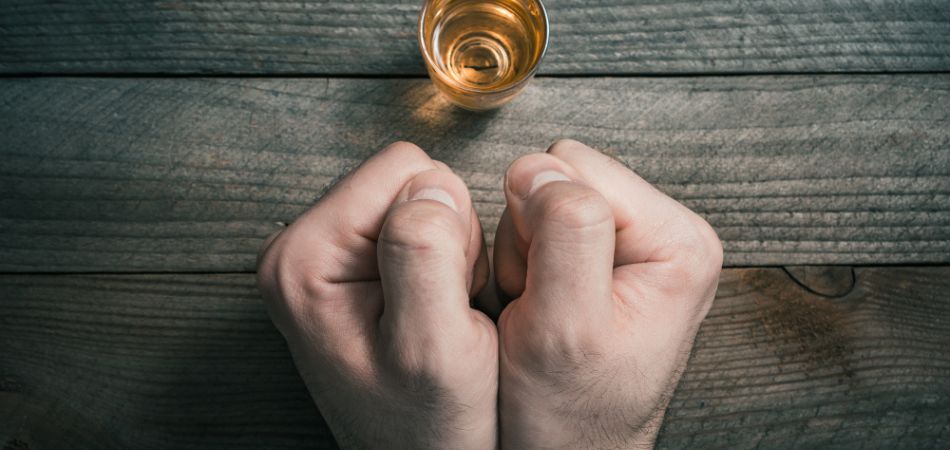
How an alcohol withdrawal timeline can keep you focused
Every person battling with an alcohol addiction has had times when they’ve just wanted alcohol out of their life, for good. The lofty goal of complete abstinence is set, and the person goes headlong into the uncomfortable and sometimes painful process of alcohol withdrawal.
But without some foreknowledge of what lies ahead, roadblocks soon arise, and a person quickly feels cast adrift, waiting for the next unforeseen withdrawal symptom to strike them in the dark.
This is when an alcohol withdrawal timeline helps bring structure to your journey. Being able to anticipate new symptoms enables you to manage these uncomfortable changes. Knowing what to expect helps you recognise that the discomfort is temporary, with each stage bringing you closer to the balance and clarity your body is crying out for.
What’s happening in the body as I stop drinking?
There will, of course, be massive upheavals happening in the body when alcohol use stops, especially for those who have been battling for years. We must state that each person’s timeline can vary slightly; you can anticipate both positive and negative changes at certain milestones.
This timeline should be used as a guide to help you understand what may happen once alcohol use is stopped.
Most people will drink the night before they decide to quit alcohol for good. Therefore, there will be general hangover symptoms in the first 24 hours, including hand tremors, intense headaches, dehydration and anxiety.
For heavy drinkers, withdrawal symptoms can arise in the first 6 to 12 hours. The first day should be seen as the quiet before the storm in your sustained sobriety, and it’s important to embed yourself deeply in the cause of recovery.
The most common withdrawal symptoms at this stage are high blood pressure, increased heart rate, disturbed sleep, and, in more severe cases, hallucinations. There is also research pointing to days 2 and 3 having the highest likelihood of alcohol seizures. In such cases, professional support can become pivotal for managing the adjustment, especially for those with severe addiction.
There are, however, still some dangers in this period, especially if you’ve been drinking for many years. Fatigue and general anxiety are likely to linger, and an increased heart rate and blood pressure are common, as well as disorienting shifts in energy levels and sleep. There are some rare cases of delirium tremens (DT) in this period, with a prevalence of around 2% of people with alcohol dependence.
Emotionally, this is likely a very fragile time, fraught with dizzying shifts in the mind. It can then be highly beneficial to start focusing on certain routines, like light evening walks or journaling, to help manage uncomfortable thoughts of alcohol.
You’ll also notice much better hydration levels, pivotal to recuperating strength in your organs. You’ll feel much more energetic and less prone to headaches. For many people, better sleep quality compounds with better eating and the energy needed for light exercise. One positive change improves and reinforces the other, and you’ll feel this from weeks 1 to 2 of alcohol cessation.
Your stomach also experiences pivotal changes, as 2 weeks without alcohol drastically improves the muscles around your intestines, as well as the lining of your stomach. You’ll feel relief from acid reflux and digestive discomfort around this point.
This is a great time to reintroduce regular exercise. Activities like swimming or cycling can speed up physical recovery and keep you anchored through any emotional troubles.
You’ll likely feel a profound mental and cognitive clarity, with your memory and focus being much sharper, and your decision-making much more rational. Your skin tone and overall vitality reflect the positive internal changes taking place.
Continuing beyond this point, sobriety can embed itself into the way you live your life. Reflect on your progress, how far you’ve come, how much better you feel and how your priorities have shifted. All of this will reinforce your commitment to the brighter, alcohol-free future you deserve.
Where can I get help for an alcohol addiction?
If you or someone you love is trapped in the cycle of alcohol addiction, please remember that you don’t have to go through this alone.
At Linwood House, we specialise in recovery for alcohol and substance addictions. Our expert team delivers detox, therapeutic support and tailored treatment plans to help you manage both the physical and emotional side of withdrawal.
Every person deserves a fresh start, and your recovery can begin today. Reach out to us. We are ready to help you build a lasting, healthy future, free from the confines of addiction.
(Click here to see works cited)
- “Alcohol Withdrawal Seizure.” Alcohol Withdrawal Seizure – an Overview | ScienceDirect Topics, www.sciencedirect.com/topics/pharmacology-toxicology-and-pharmaceutical-science/alcohol-withdrawal-seizure
- Grover S, Ghosh A. Delirium Tremens: Assessment and Management. J Clin Exp Hepatol. 2018 Dec;8(4):460-470. doi: 10.1016/j.jceh.2018.04.012. Epub 2018 May 5. PMID: 30564004; PMCID: PMC6286444.
- He S, Hasler BP, Chakravorty S. Alcohol and sleep-related problems. Curr Opin Psychol. 2019 Dec;30:117-122. doi: 10.1016/j.copsyc.2019.03.007. Epub 2019 Apr 19. PMID: 31128400; PMCID: PMC6801009.
- “Fatty Liver.” Healthdirect, 11 July 2023, www.healthdirect.gov.au/fatty-liver.
- NHS Choices, NHS, elht.nhs.uk/services/dietetics/dietetics-self-help-leaflets-adults/alcohol-related-liver-disease
- Thomes PG, Rasineni K, Saraswathi V, Kharbanda KK, Clemens DL, Sweeney SA, Kubik JL, Donohue TM Jr, Casey CA. Natural Recovery by the Liver and Other Organs after Chronic Alcohol Use. Alcohol Res. 2021 Apr 8;41(1):05. doi: 10.35946/arcr.v41.1.05. PMID: 33868869; PMCID: PMC8041137.
- Mehta G, Macdonald S, Cronberg A, Rosselli M, Khera-Butler T, Sumpter C, Al-Khatib S, Jain A, Maurice J, Charalambous C, Gander A, Ju C, Hakan T, Sherwood R, Nair D, Jalan R, Moore KP. Short-term abstinence from alcohol and changes in cardiovascular risk factors, liver function tests and cancer-related growth factors: a prospective observational study. BMJ Open. 2018 May 5;8(5):e020673. doi: 10.1136/bmjopen-2017-020673. PMID: 29730627; PMCID: PMC5942469.