




Last Updated:
October 12th, 2026
If you’ve recently been given nitrofurantoin for a urinary infection and you’re planning to drink or have already done so, you may be concerned about the risks. Nitrofurantoin and alcohol don’t react together the way some other antibiotics do, and there’s no sudden toxic reaction to worry about. However, that doesn’t mean having a drink while you’re unwell and mid-course is a good idea. While there is no dramatic danger, there are a few good reasons to take a break from drinking while you’re on nitrofurantoin.
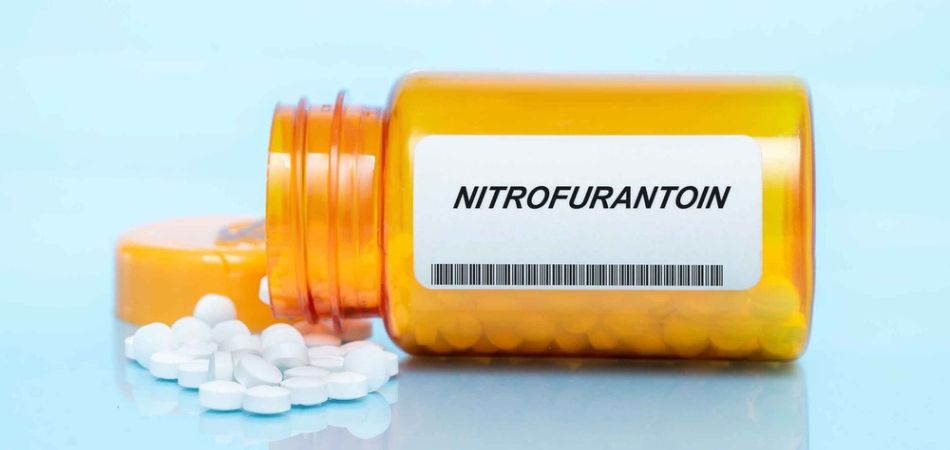
Nitrofurantoin and UTI treatment
Nitrofurantoin is often given out as a prescribed drug to clear a urinary infection. It’s one of the older nitrofurantoin antibiotics still in regular use, and it clears the infection by targeting bacteria directly in your bladder and urethra, rather than travelling round the whole body. That targeted action is part of why the NHS lists nitrofurantoin for cystitis treatment, but it isn’t used for infections higher up in the kidneys.
Nitrofurantoin UTI treatment usually takes three to seven days, and most people notice their symptoms easing within a day or two, well before the course itself is finished.
Can you drink alcohol with nitrofurantoin without any risk?
Many people search online or ask their doctor, “Can I drink on nitrofurantoin?” because of the interactions between other antibiotics and alcohol. But extensive evidence has concluded that there is no harmful nitrofurantoin alcohol interaction.
The NHS does flag one separate point, though, which is that alcohol can make urine more acidic. That’s one reason why doctors often tell anyone who gets UTIs a lot to cut back on drinking, regardless of which antibiotic they’re taking.
Why drinking can still make you feel worse
Even though drinking alcohol while taking nitrofurantoin doesn’t cause a toxic reaction, it can make you feel rougher than either one on its own.
Nitrofurantoin commonly brings on nausea, a headache, dizziness, or an upset stomach, and alcohol produces many of the same effects when you drink a lot. When you’ve got both in your system at once, the effects usually add together.
Alcohol also makes you urinate more liquid than you take in, and dehydration while your body is dealing with an infection isn’t going to help. Nitrofurantoin and alcohol side effects can also disturb your sleep, because alcohol disrupts the deeper stages even though it can help you fall asleep at first. You need as much quality sleep as possible while your body is clearing an infection, but alcohol makes more work for your body.
Taking nitrofurantoin correctly
You’ll get the most from your nitrofurantoin medication by following your prescription, taking the correct dose at the time given for the full length of the course. It’s tempting to stop once the burning and urgency aren’t as bad anymore, but the infection can still be there under the surface days after you start feeling better. If you stop early, you raise the odds of the UTI coming back or being harder to treat next time.
To help ensure nitrofurantoin safety, your GP will look at whether there are interactions between nitrofurantoin, alcohol, and medication you’re currently taking. If you’re also using any supplements, taking illegal drugs, or drinking a lot, you need to tell your GP so they can check those interactions too.
When nitrofurantoin precautions are needed
The biggest risks come if you have significant kidney or liver problems, or you’re taking several other medications already. Nitrofurantoin side effects can go beyond the ordinary nausea and headache and require medical attention.
These include persistent or severe diarrhoea, a cough with breathlessness or chest pain, unusual bruising, a sore throat and fever, or your skin or the whites of your eyes turning yellow. Numbness, tingling or weakness that wasn’t there before also needs checking out rather than waiting to see if it passes.
If you’ve already had a drink
If you’ve already had a drink while on this course, there’s no need to panic or assume you’ve done any serious harm. Nitrofurantoin and drinking don’t usually cause a dangerous reaction, so if you’re not experiencing any unusual or serious symptoms, you’re almost certainly fine.
Just try to make it a one-off, and finish your course without drinking anything else. If you stop now after one drink, you will leave the infection untreated, which is going to do you far more harm than a little bit of alcohol itself. If anything feels different, worse than your usual symptoms, or something new altogether, call your GP or NHS 111.
When should alcohol and antibiotics never be mixed?
Antibiotics and alcohol don’t all mix the same way, and while a moderate drink rarely causes problems with most common antibiotics, metronidazole and tinidazole are the real exception. Drink alcohol on either of those, and you can expect to be sick, with stomach pain, flushing, a fast heartbeat, and a thumping headache. You should avoid alcohol completely for 48 hours after metronidazole and 72 hours after tinidazole.
What if you’re finding it hard not to drink?
For most people, giving up alcohol for a few days is a small trade-off for feeling better sooner. Stick to what’s been prescribed, and treat anything about your own situation that doesn’t fit the general nitrofurantoin advice as a reason just to check with your GP or prescriber.
However, if going without a drink has been harder than you thought, that could be a sign that you have become dependent on alcohol. If this is the case, especially if you’re experiencing symptoms like shakiness, sweating, anxiety, nausea, vomiting, or trouble sleeping. These are common signs of alcohol withdrawal, but in more serious cases, it can bring on confusion, hallucinations, or seizures.
Alcohol withdrawal can become dangerous quickly and needs professional attention, and you shouldn’t try to stop suddenly on your own if you’ve been drinking heavily or for a long time. Speak to your GP, contact Linwood House, or call NHS 111 as soon as possible, and get emergency help if you have a seizure, become confused, or see things that aren’t there.
Get help for alcohol addiction with UKAT
If you’re worried about your drinking or you want advice about alcohol and medication, Linwood House can help. We provide alcohol detox, a comprehensive alcohol rehab programme, and aftercare support once you leave treatment. Contact us today, and let’s discuss your situation.
(Click here to see works cited)
- National Health Service. “About Nitrofurantoin.” NHS, www.nhs.uk/medicines/nitrofurantoin/about-nitrofurantoin/.
- National Health Service. “Who Can and Cannot Take Nitrofurantoin.” NHS, www.nhs.uk/medicines/nitrofurantoin/who-can-and-cannot-take-nitrofurantoin.
- National Health Service. “Common Questions about Nitrofurantoin.” NHS, www.nhs.uk/medicines/nitrofurantoin/common-questions-about-nitrofurantoin/.
- National Health Service. “Side Effects of Nitrofurantoin.” NHS, www.nhs.uk/medicines/nitrofurantoin/side-effects-of-nitrofurantoin/
- National Health Service. “Antibiotics – Interactions.” NHS, www.nhs.uk/medicines/antibiotics/interactions/.
- Mergenhagen, Kari A., et al. “Fact versus Fiction: A Review of the Evidence behind Alcohol and Antibiotic Interactions.” Antimicrobial Agents and Chemotherapy, vol. 64, no. 3, 2020, e02167-19, doi.org/10.1128/AAC.02167-19.