





Written by:

Medically Reviewed by:
Last Updated:
July 15th, 2026
If you’ve experienced chest pain during or after drinking, your first thought was probably that something is seriously wrong. That reaction is completely understandable and the anxiety that follows can actually make the sensation feel worse than it is.
The truth is that chest pain after alcohol has several possible explanations and most of them are more manageable than you might think.
This page walks through the most common causes, explains what the more serious possibilities look like and helps you understand when it’s time to seek medical attention.
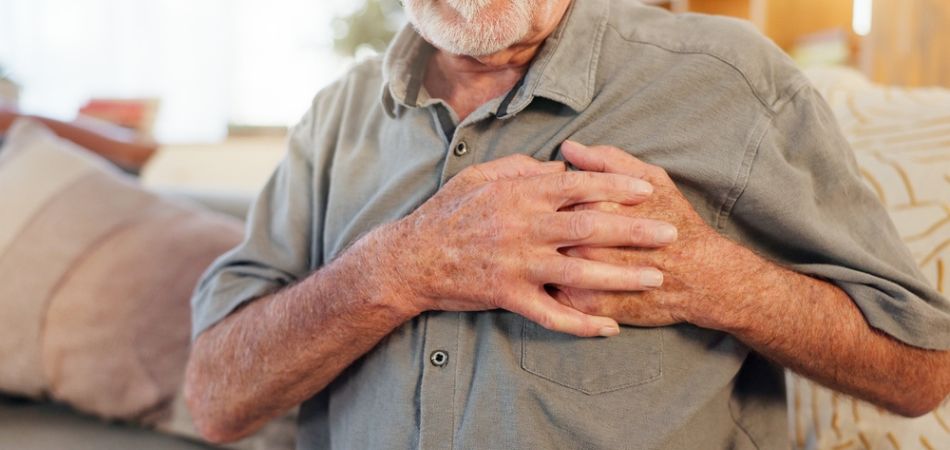
Why does chest pain happen after drinking?
Alcoholism affects your body in ways that most people don’t think about while they’re drinking. It changes how your digestive system works, how your heart responds, how much fluid your body retains and even how your brain manages anxiety.
Any one of these can produce a sensation in your chest that feels alarming, even when the underlying cause is relatively minor.
The key is knowing which causes are likely to resolve on their own and which ones need medical attention. The sections below are organised with that distinction in mind.
The common causes
For most people, chest pain after drinking comes down to one of a few explanations that, while uncomfortable, are not dangerous. Below, we explore some of these causes.
Research has found that this type of pain closely resembles heart pain, which is why it can be so frightening when it happens.
The result can be cramping and discomfort in the chest area and this is most noticeable the morning after drinking when dehydration is at its worst.
Your heart rate rises and a wave of anxiety can settle in that feels physical rather than psychological.
The chest tightness and racing heart that come with this can feel almost identical to a cardiac event. Research has found that around 25% of patients who present to emergency departments with chest pain meet the criteria for panic disorder.
When chest pain could point to something more serious
While most alcohol-related chest pain is linked to reflux, dehydration or anxiety, there are conditions that require proper medical attention.
Alcohol can cause a temporary increase in heart rate and blood pressure, which places extra strain on the cardiovascular system. In some cases, even a single heavy session can trigger irregular heart rhythms. This is sometimes called Holiday Heart Syndrome and research has found that binge drinking is the trigger in 35% to 62% of emergency-department episodes involving a specific type of irregular heartbeat called atrial fibrillation.
For people who have been drinking heavily for a prolonged period, there is also the risk of a condition called alcoholic cardiomyopathy. This is where the heart muscle weakens and struggles to pump blood properly.
Research indicates that consuming more than 80g of alcohol per day, which is roughly five to six standard drinks, for at least five years increases the risk of developing this condition. It accounts for up to 36% of all non-ischaemic dilated cardiomyopathies, which is a serious category of heart disease.
Heavy drinking can also trigger acute pancreatitis, which is inflammation of the pancreas. The pain from pancreatitis typically starts in the upper abdomen but can radiate to the chest, making it feel like a cardiac problem. Pancreatitis requires medical treatment and should not be something you try to manage at home.
When to get medical help
The NHS advises calling 999 if you experience chest pain that does not go away, chest pain that spreads to your arm, neck or jaw or chest pain accompanied by sweating, shortness of breath or lightheadedness.
If you’re unsure whether what you’re feeling is serious, it’s always better to get checked than to wait and see.
How to reduce the risk
If chest pain after drinking is something you’ve experienced before, there are a few practical steps that can help reduce the chances of it happening again.
- Staying hydrated while you drink makes a real difference and alternating alcoholic drinks with water helps counter the diuretic effect and keeps your electrolyte levels more stable. This alone can reduce the likelihood of dehydration-related chest discomfort the following morning.
- Eating before and during drinking also helps, particularly if acid reflux is the cause. Food acts as a buffer in the stomach, which means acid is less likely to rise into the oesophagus. Avoiding heavy or spicy meals alongside alcohol can reduce the strain on your digestive system even further.
- Avoiding lying down too soon after your last drink is another simple adjustment. Being horizontal makes it much easier for stomach acid to travel upward, which is why reflux symptoms can feel worse when you go to bed shortly after drinking.
If the pain keeps returning despite these adjustments, that’s your body telling you something that deserves proper attention.
What recurring chest pain after drinking is telling you
If chest pain is happening every time you drink or if the symptoms are getting worse, your body is communicating something that’s worth listening to. It could be that the cumulative effect of repeated drinking sessions is placing more pressure on your heart and digestive system than they can comfortably handle.
At a certain point, the question moves from “why does my chest hurt after drinking” to “why am I continuing to drink when my body is clearly reacting badly to it.”
If that second question feels relevant, it may help to sit with a few honest reflections.
- Have you tried cutting back on your drinking but found it difficult?
- Do you drink more than you planned to once you start?
- Do you find yourself thinking about your next drink during the day?
- Are you continuing to drink despite physical symptoms like these?
These questions are not a diagnostic tool and answering yes to any of them does not automatically mean you have an addiction. But they can open the door to a conversation with someone who understands what you’re going through and can help you figure out the right next step.
How Linwood House can help
If you’re concerned about your drinking and it’s starting to affect your health, Linwood House can help. We provide personalised treatment for alcohol addiction, from alcohol detox through to therapy and ongoing aftercare.
Whether you’re ready to take action or you’d prefer to understand your options first, we’re here for that conversation. Contact Linwood House today and a member of our team will be happy to walk you through your options.
(Click here to see works cited)
- Anebo, T., Srikulmontri, T., Byfield, K., Obomanu, E., Wattanachayakul, P., & Davis, M. (2025). Gastroesophageal Reflux Disease ( GERD ) and Risk of Incident Acute Myocardial Infarction: A Systematic Review and Meta‐Analysis of Cohort Studies. JGH Open, 9(10). https://doi.org/10.1002/jgh3.70295
- Swift, R., & Davidson, D. (2024). Alcohol Hangover: Mechanisms and Mediators. Alcohol Health and Research World, 22(1), 54. https://pmc.ncbi.nlm.nih.gov/articles/PMC6761819/
- Huffman, J. C., & Pollack, M. H. (2003). Predicting Panic Disorder Among Patients With Chest Pain: An Analysis of the Literature. Psychosomatics, 44(3), 222–236. https://doi.org/10.1176/appi.psy.44.3.222
- Brown, K. N., Yelamanchili, V. S., & Goel, A. (2020). Holiday Heart Syndrome. PubMed; StatPearls Publishing. https://www.ncbi.nlm.nih.gov/books/NBK537185/
- Shaaban, A., Gangwani, M. K., Pendela, V. S., & Vindhyal, M. R. (2021). Alcoholic Cardiomyopathy. PubMed; StatPearls Publishing. https://www.ncbi.nlm.nih.gov/books/NBK513322/